
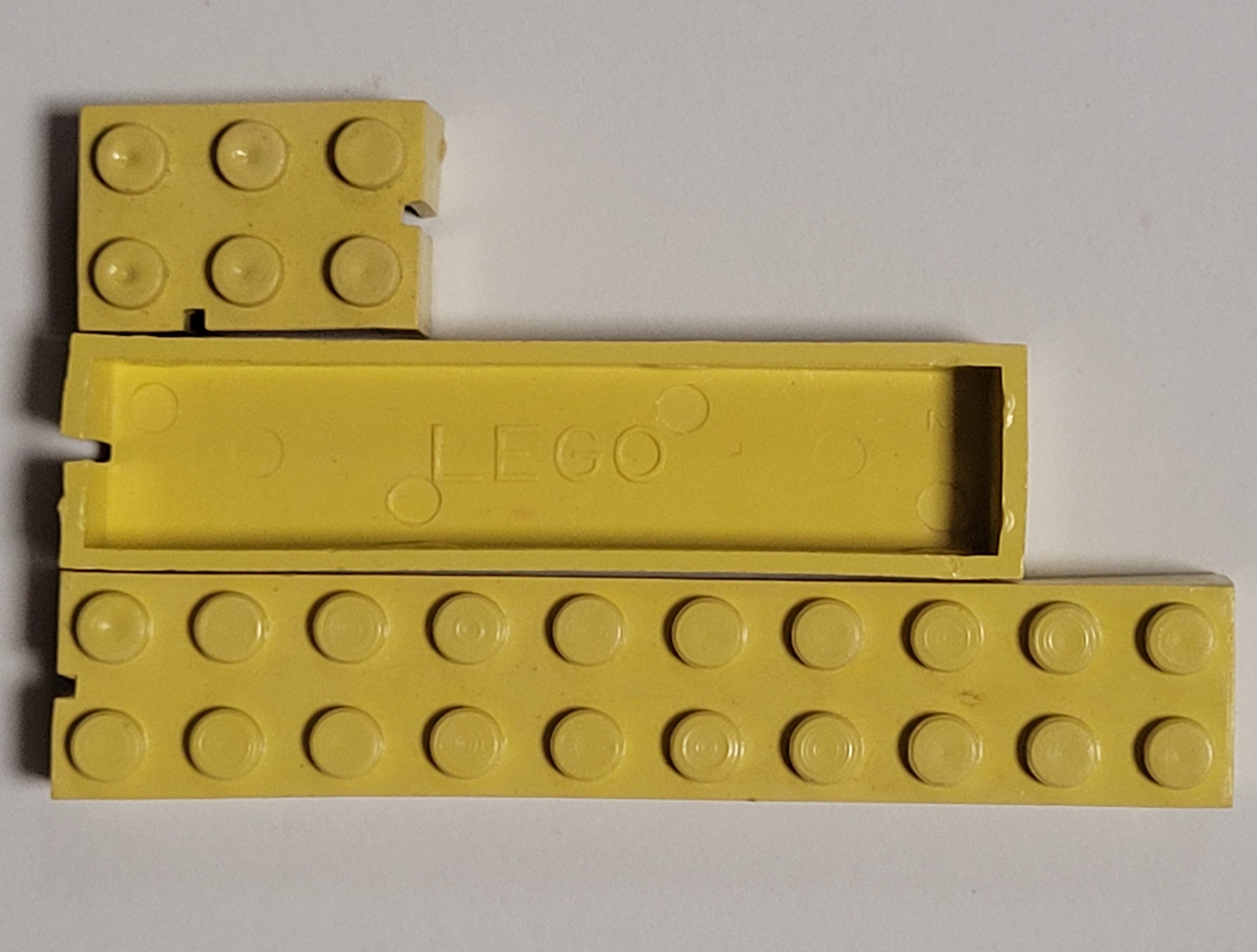
LEGO Beam bricks
1954
LEGO beams are specialized structural components primarily found in the LEGO Technic system, designed to create strong frameworks and functional mechanisms. They are distinct from traditional studded bricks by featuring rows of holes that accommodate pins and axles.
Key Characteristics
Structural Support: Beams serve as the foundational chassis or frame for most Technic and motorized models, offering increased strength and stability compared to stacking regular bricks.
Holes and Pins: Instead of relying solely on the stud-and-tube system, beams utilize holes to connect parts using specialized Technic pins.
Round holes: Allow axles to pass through and spin freely, crucial for gears and wheels.
Cross-shaped holes: Found in some angled beams, these provide a secure, non-rotating connection with cross-shaped pins or axles.
Studded vs. Studless:
Studded beams/bricks: The earlier style of Technic parts featured studs on top like normal bricks but also had holes through the side.
Studless beams (liftarms): Introduced in the late 1990s, these are the default style today. They offer a cleaner aesthetic, better structural alignment on a cubic grid, and enhanced flexibility in complex mechanical designs.
Sizing: Beams come in various straight lengths and angles, and their length is typically measured by the number of holes or studs they span, often indicated in the building instructions.
Common Applications
Mechanical Movement: Beams are fundamental for building functional elements such as vehicle steering systems, robotic arms, and crane jibs, as the holes act as bearings for axles.
Complex Structures: They allow builders to create rigid, three-dimensional frameworks that support heavy loads and the weight of added motors and gears.
S.T.E.A.M. Learning: The use of beams in the Technic and educational lines (like Mindstorms and SPIKE Prime) provides a hands-on platform for exploring real-world principles of mechanics and engineering.